
This abandoned mother story started in March 1991, in a small neighborhood outside Boston, with Emily standing near a family secret that had waited silently for years.
At first, nobody called it betrayal. Nobody spoke about inheritance, duty, or justice.
Instead, Emily only felt the silence that comes before the truth finally enters the room.
For years, neighbors called Emily the woman who cared for Clara.
Emily did not make speeches during holidays. Instead, she stayed after everyone else left.
When Clara needed help, Emily came.
At first, Emily handled small things. She bought groceries, arranged appointments, answered late-night calls, and fixed what she could.
Then those small acts became part of everyday life.
Bills needed attention. Medicine needed order. The house needed cleaning. Nights also became longer.
Some days, Clara felt afraid, confused, or too tired to pretend everything was fine.
Emily never called it sacrifice.
She called it family.
Clara’s Children Came Back for the House
Clara’s three children understood family differently.
To them, family appeared when something remained to receive.
A house. A little land. A bank account. A memory they could turn into money.
However, the painful part was not only the greed.
The performance hurt even more.
After Clara died, her children spoke softly in front of relatives.
They accepted sympathy and mentioned “difficult years,” as if they had carried those years equally.
Emily said nothing.
By then, she knew people often believe the person who talks first.
The Locked Bedroom Drawer
At the will reading, the lawyer opened the main folder and began with ordinary words.
Dates. Names. Formal instructions.
Cold language made grief feel even colder.
Then the lawyer mentioned Clara’s small house.
The room changed.
Everyone leaned forward, although they tried to hide it.
For Emily, the house meant years of work, memory, duty, and quiet love.
For Clara’s children, it meant opportunity.
When the lawyer read the first instruction, Clara’s children looked satisfied.
The expression lasted only a second, but Emily saw it.
That was enough.

The words landed heavily
Move on.
Soon, Clara’s children discussed papers, signatures, and a possible sale.
Maybe, they said, everyone needed a clean break.
Yet it is easy to tell someone to move on from a place you never protected.
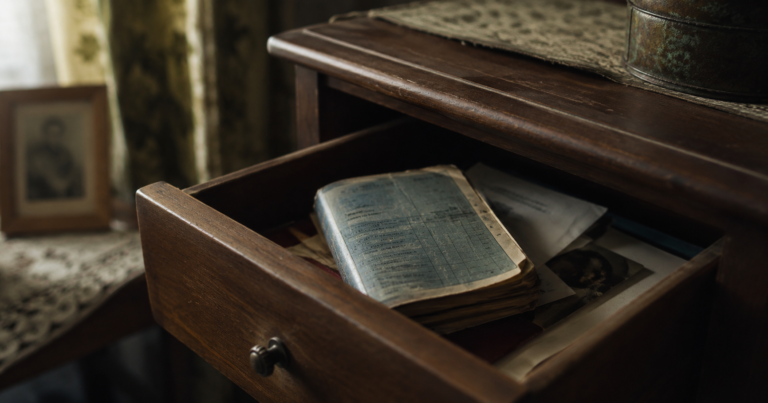
Emily looked at the lawyer, then toward Clara’s locked bedroom drawer.
The lawyer did not rush.
He adjusted the papers, cleared his throat, and announced one more matter.
That was when Clara’s children stopped smiling.
The Truth Clara Left Behind
Clara gave the lawyer clear instructions about the locked drawer.
He could open it only if conflict appeared.
Clara wanted the family to show exactly who they were first.
The room became still.
Next, the lawyer opened the drawer.
Inside, Clara had left the truth she protected until the final moment.
Her message was simple, but it cut deeper than shouting ever could.
Clara had seen everything.
She saw the visits that never happened.
Clara remembered the calls her children ignored.
Every public promise mattered less than the private silence that followed.
Most of all, Clara understood Emily’s quiet labor.
Then the final truth came out
Clara left the house to Emily because Emily was the only person who cared.
For a few seconds, nobody moved.
Clara’s children objected first, as people often do when fairness no longer favors them.
However, the lawyer had dates, signatures, and witnesses.
Every document supported Clara’s decision.
This was not revenge.
It was correction.
Quiet Justice in Clara’s Small House
At first, Emily did not feel victory.
That word felt too loud for the moment.
Instead, relief moved quietly through her.
Money had not changed her heart.
The truth had finally entered a room where everyone had to hear it.
Clara had not been blind.
Her children had not fooled her.
Before the end, Clara watched, waited, and made one final decision with a clear heart.
Later, her children left angry.
Their anger surprised no one.
However, the silence that followed surprised Emily.
It was not empty.
It sounded like a family finally understanding what it tried not to see.
In the end, Clara’s small house was never only about inheritance.
The truth showed who had been present.
Care mattered most when there was nothing to gain.
Above all, the house revealed the difference between blood and loyalty.
One hidden truth arrived late, but not too late.