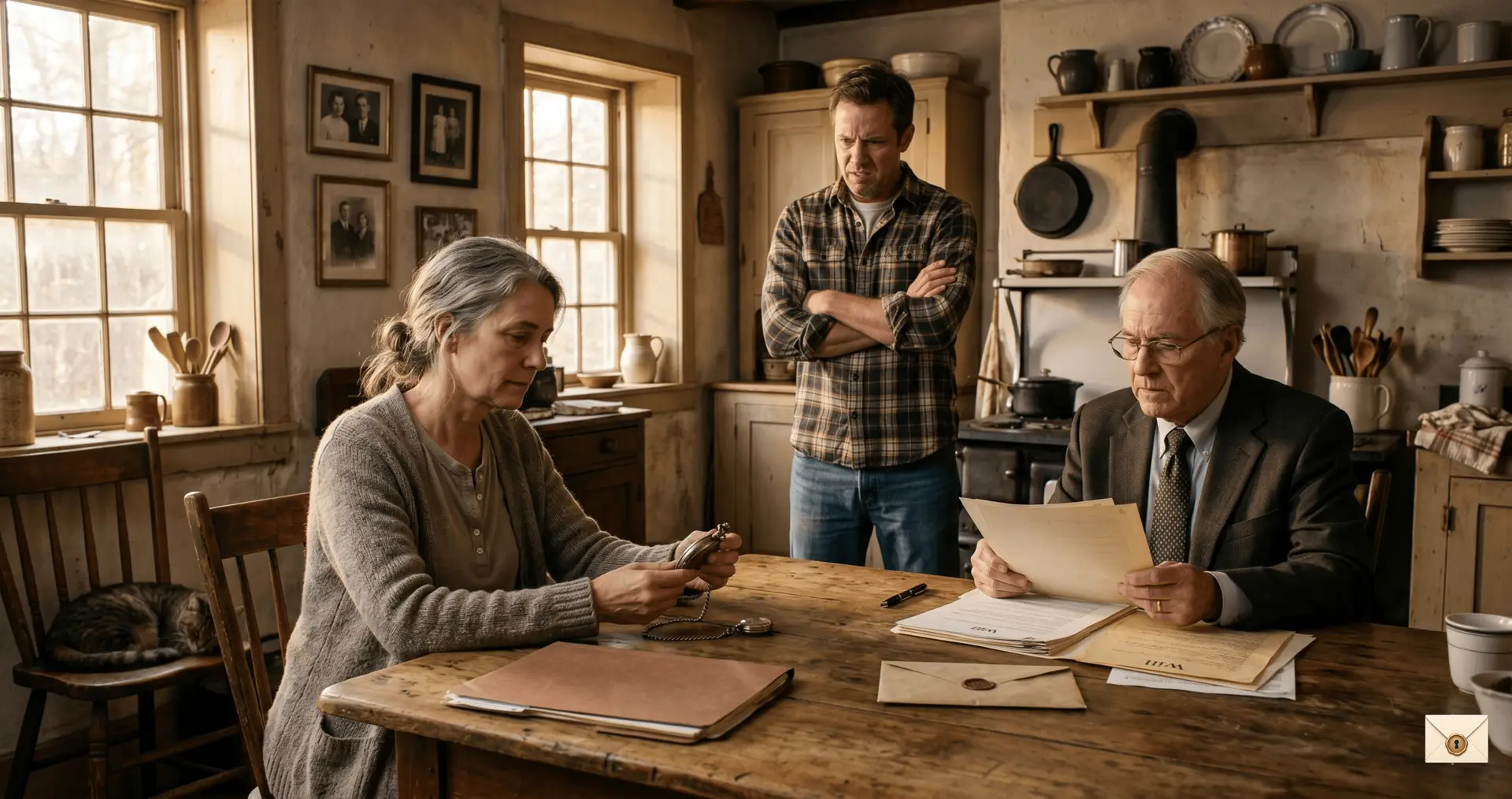
This daughter cared for father inheritance story started in September 1996, inside an old farmhouse kitchen in Pennsylvania, where Grace listened to her brother talk about fairness.
At first, nobody raised a voice. No one wanted to look greedy so soon after Thomas was gone.
Still, the room carried a hard truth. Some people had come to mourn, while others had come to count.
Grace Stayed When Care Became Hard
Grace had not planned to handle everything.
In the beginning, she only stopped by after work.
Soup, clean dishes, medicine reminders, and small repairs slowly became part of her week.
Soon, those visits became longer.
Small Help Became Daily Work
One evening became three evenings.
After that, weekends disappeared into doctor visits and quiet hours at the kitchen table.
Thomas never asked for too much at once.
However, age can make small needs grow into daily work.
Bills needed attention when his hands shook too much to write clearly.
When his medicine changed, Grace called the pharmacy and wrote the new times on paper.
During winter, she drove through dark roads to make sure the furnace still worked.
She never called it a burden. To Grace, it was simply being his daughter.
Paul Remembered the Farm Late
Paul lived three towns away, close enough to visit and far enough to make excuses.
When family members asked about him, Grace gave polite answers.
Work kept him away, she said. Maybe he would come soon.
Most of the time, those words protected Thomas from disappointment.
Thomas Noticed the Empty Chairs
Thomas was not blind.
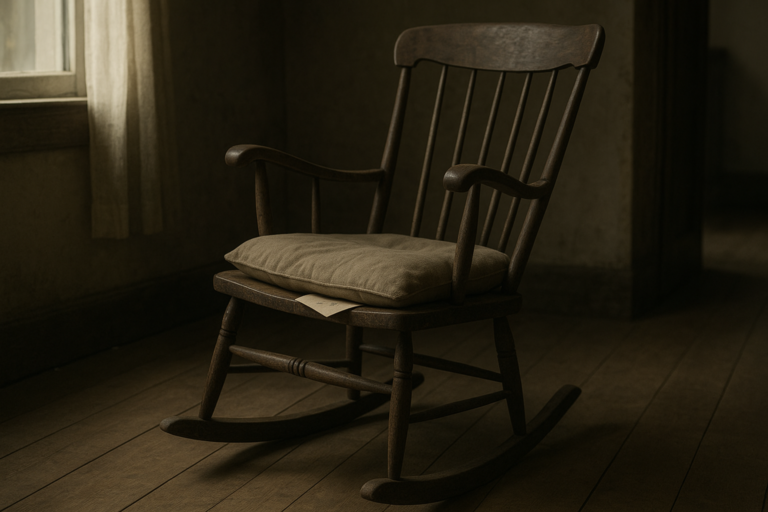
Empty chairs at Sunday lunch still hurt him.
Missed birthdays stayed in his heart, even when he smiled and said it was fine.
Meanwhile, Paul called just enough to sound caring from a distance.
He asked one short question. Then came a fast excuse. After that, he promised to visit next week.
Next week became next month.
Equal Did Not Feel Fair
After Thomas died, Paul arrived with careful words.
First, he said the family should stay united.
Next came his real point: the farm should be divided equally.
Grace looked at him and said nothing.
Equal sounded clean. That word was easy to defend in front of other people.
However, Grace knew equal did not always mean fair.
One person had carried the parent. Another person had carried excuses.
Now both stood in the same room, hearing the same word: inheritance.
Paul Used Peace as Pressure
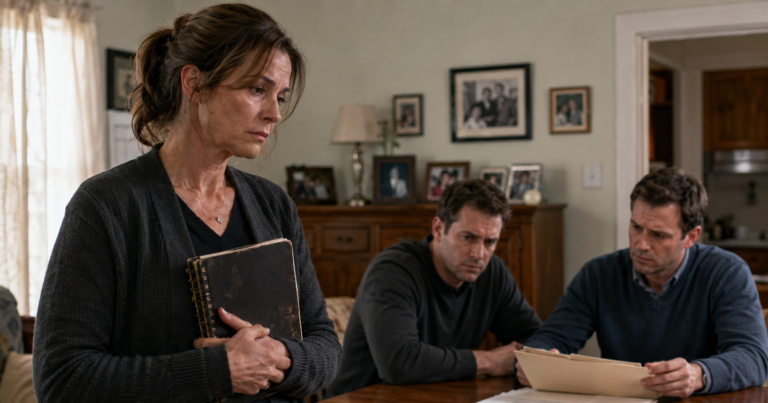
The lawyer opened the file slowly.
Before reading the will, he looked at Grace and Paul across the table.
A quiet question followed: did anyone want to speak first?
Paul answered right away.
According to him, Thomas would have wanted peace.
Selling the farm, he added, would help everyone move forward.
Then he said Grace was too emotional to make a clear choice.
Grace Finally Lifted Her Eyes
That last sentence changed the air.
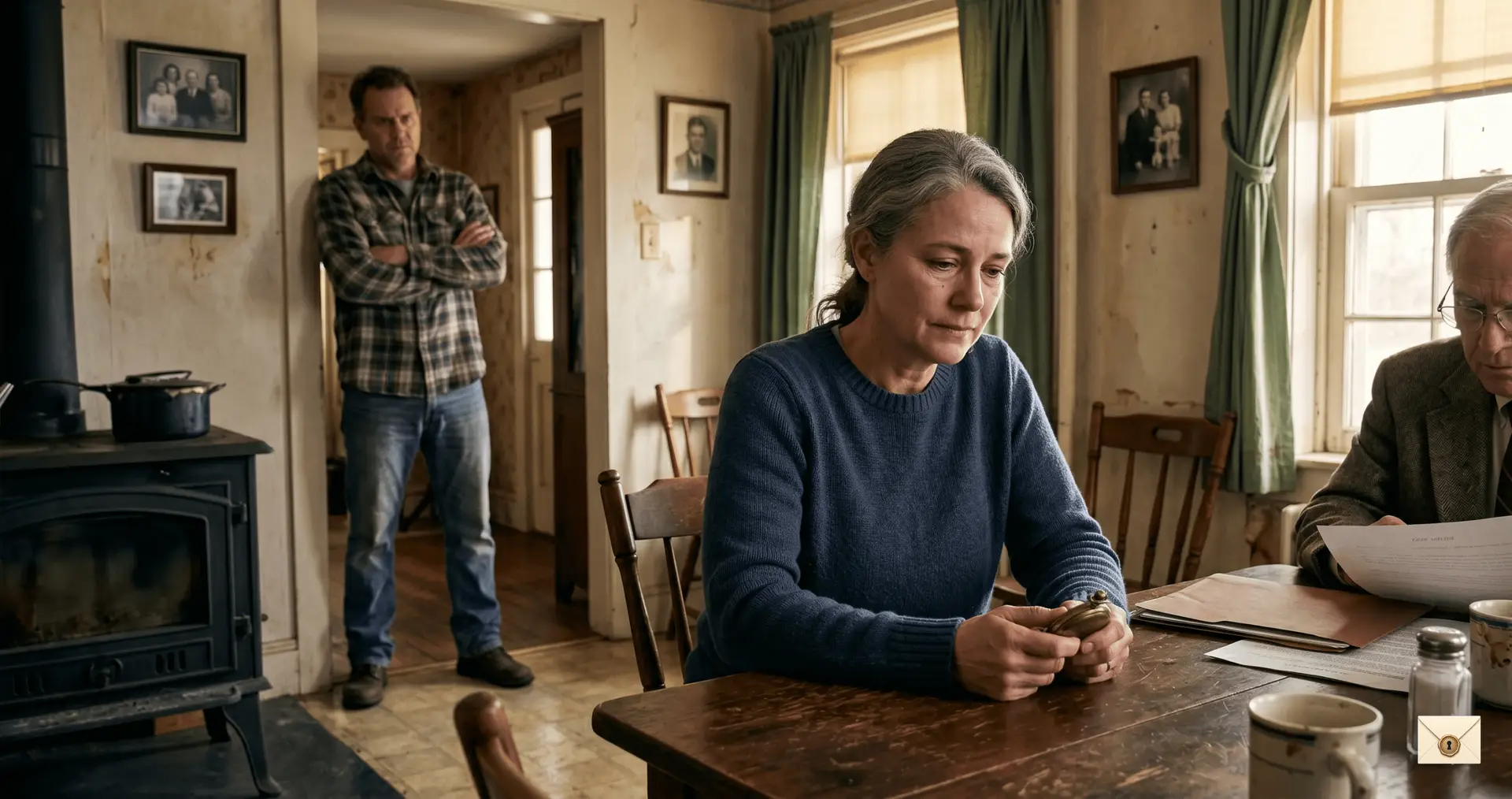
Grace finally lifted her eyes.
For years, she had stayed quiet to keep peace in the family.
Now peace sounded like another word for silence.
This time, she did not look away.
The question was simple
Should care matter?
The First Part of the Will Was Quiet
The lawyer read the first part of the will.
Small items went to family members.
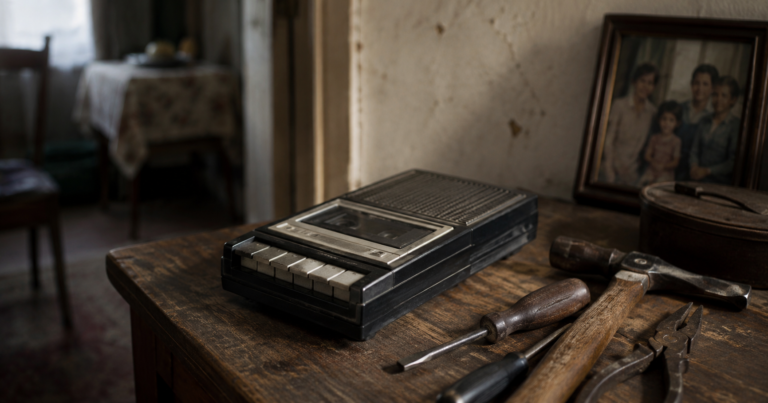
An old neighbor received a few tools.
Thomas’s watch went to Grace.
Paul barely reacted because he waited for the farm.
Thomas Named the Truth
At last, the lawyer reached the final page.
Then he paused.
Thomas had added a note to explain his choice.
The note did not attack Paul. Instead, it named the truth clearly.
Grace’s Care Was the Proof
Thomas wrote that love had visited him through soup, clean sheets, paid bills, repaired fences, and a daughter sitting with him when he was afraid.
Grace had not asked for a reward.
Still, her father refused to let her years become unseen.
Thomas Made His Choice
The farmhouse would not be sold without Grace’s approval.
Under his decision, the land would stay under her care.
Paul would receive money Thomas had already set aside, but he would not control the farm.
The Decision Felt Unfair to Paul
For a moment, nobody spoke.
Paul stared at the lawyer as if the words had come from the wrong document.
Then he called it unfair.
However, the lawyer had records, signed papers, and witnesses.
Thomas had planned everything carefully.
This was not punishment.
It was recognition.
Grace Did Not Celebrate
Grace did not smile when the lawyer finished.
There was no victory in her eyes.
Instead, she looked down at Thomas’s watch in her hand.
For years, she had wondered whether her father knew how much she had given up.
Now she had her answer.
Her Father Had Seen Her
Thomas had seen the late nights.
Her quiet worry had not gone unnoticed.
The days she chose his needs before her own plans had mattered to him.
That truth mattered more than the property itself.
Paul Left With His Anger
Paul stood up first.
He said the family would regret this.
No one answered right away.
Grace did not need to argue anymore.
The truth had already spoken through the will.
The Farmhouse Felt Honest
After Paul left, the old farmhouse felt quieter.
It did not feel empty.
For the first time in years, it felt honest.
The Family Finally Understood
In the end, the farm was never only about land.
It was about presence.
The farm also stood for the daughter who came when help was needed.
This story showed the brother who came when there was something to receive.
Finally, the will forced everyone to face one question.
Should family property ignore the person who gave the most care?
Related reading
Read more emotional stories in Inheritance Stories and Old Houses. You may also enjoy stories in Greedy Siblings.