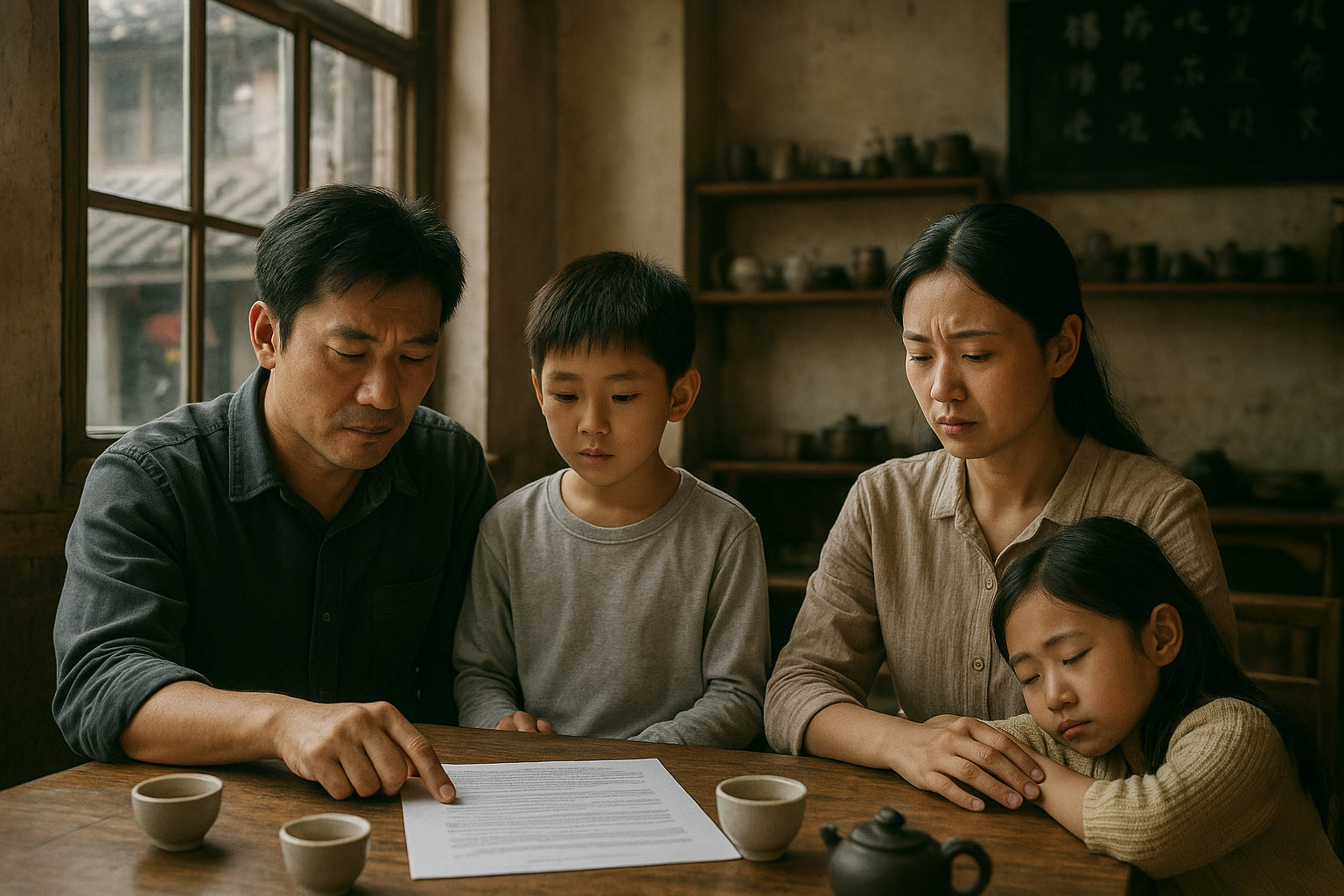
Chinese Family Story begins in Guangzhou, where Kwame cared for the family’s aunt while Marc treated the family apartment like a prize already won.
The first arguments sounded almost polite. In the tea house, relatives spoke about tradition, duty, market value, and what the family name deserved. Kwame listened with her hands still smelling of soap, medicine, and the soup she had carried across town before sunrise.
Marc had a cleaner version of the story. In his version, everyone loved the aunt equally. Everyone sacrificed equally. Everyone deserved an equal voice now that the family apartment had become valuable. The only thing missing from his version was the part where he had barely been there.
Why this Chinese family story begins with quiet work
For years, care arrived without witnesses. It arrived as clean sheets, paid bills, repaired taps, changed bandages, and rides through rain to appointments nobody else remembered. When the aunt became too tired to thank her properly, Kwame stopped waiting for thanks and simply kept coming.
Still, she kept records. Not because love was a business, but because some relatives become accountants only after someone dies. In a cloth folder, she saved the partnership paper, small notes, and dates that proved the shape of years.
Neighbors in Guangzhou understood more than the family wanted them to understand. They saw who knocked softly and who knocked loudly. They saw who brought medicine and who brought paperwork.
The family conflict grew around the property
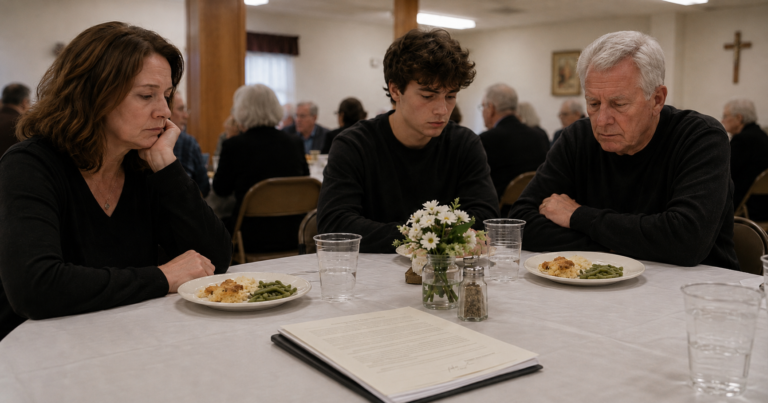
After the funeral, Marc placed a folder on the table and cleared his throat like a man beginning a meeting, not mourning a person. He explained that delay would cost money. He explained that sentiment could ruin families. He explained many things, all of them convenient.
Then Kwame learned what he had done: he had pressured the quiet son to sign away the shop. The room shifted. A cousin stopped stirring tea. Someone whispered that maybe it was better not to fight.
“Not fighting is how he got this far,” Kwame said.
Marc laughed once, without warmth. “You always make care sound like ownership.”
“No,” she said. “You make ownership sound like care.”
The hidden proof changed the room
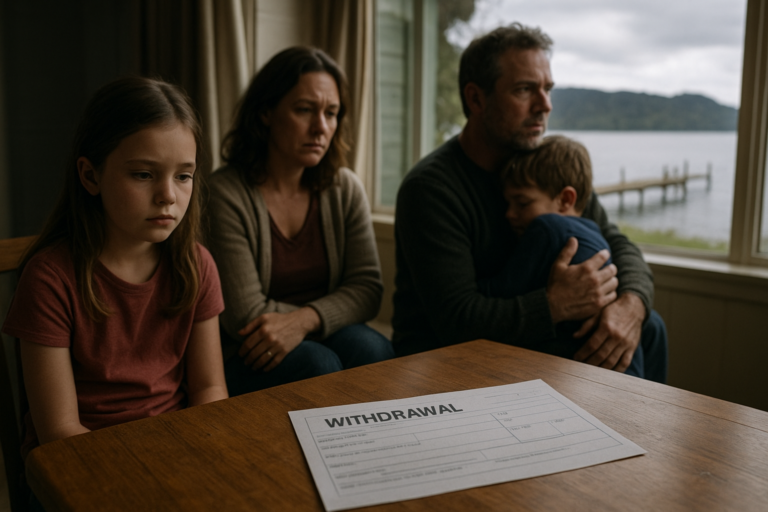
Kwame opened her folder and placed the partnership paper beside his papers. It was not dramatic. It had creases, stains, and one corner softened from being handled too often. That ordinary look made it harder to dismiss.
The dates lined up. The payments lined up. The visits lined up. One note from the aunt read, “Do not confuse the child who asks for keys with the child who stayed when the door was hard to open.”
Marc’s mouth tightened. “That proves nothing.”
The Crete Funeral Record Exposed Who Really Cared
An aunt who had been silent until then adjusted her glasses and said, “It proves enough to slow you down, which is already more than your conscience managed.”
Nobody laughed. The sentence landed too close to the bone.
What this family drama reveals about fairness
The property was not magically saved by one paper. Real life is slower than that. Lawyers were called. Signatures were checked. Relatives who had been confident became suddenly careful with their words.
But the sale stopped. The rushed plan lost its authority. Most importantly, Kwame was no longer treated as background help in a story about inheritance. She became the person who knew what had actually happened.
When someone asked whether she wanted revenge, Kwame folded the partnership paper back into the folder. “I wanted him alive and comfortable,” she said. “You all arrived when wanting became cheaper.”
What this story teaches
Life lesson
Fairness is not always equal division; sometimes it is the honest accounting of invisible labor.
Practical lesson
Families should discuss caregiving, money, and property before crisis turns love into evidence.
Discussion question
Should a person who gave years of care receive more than relatives who only arrived for inheritance?