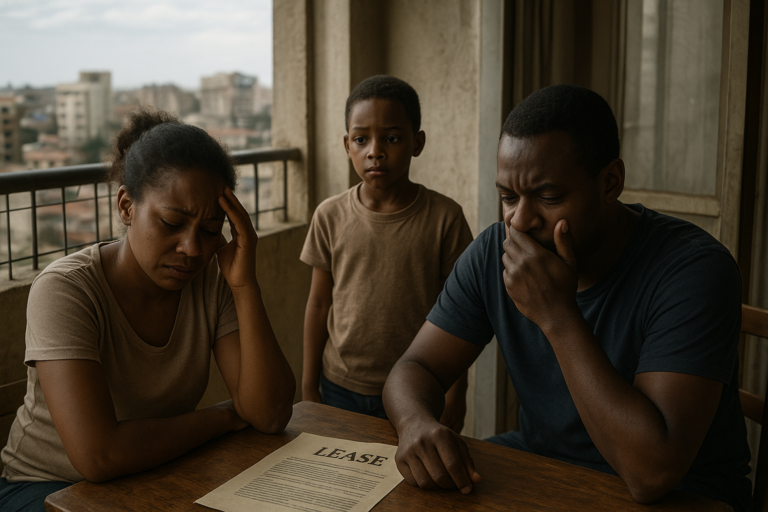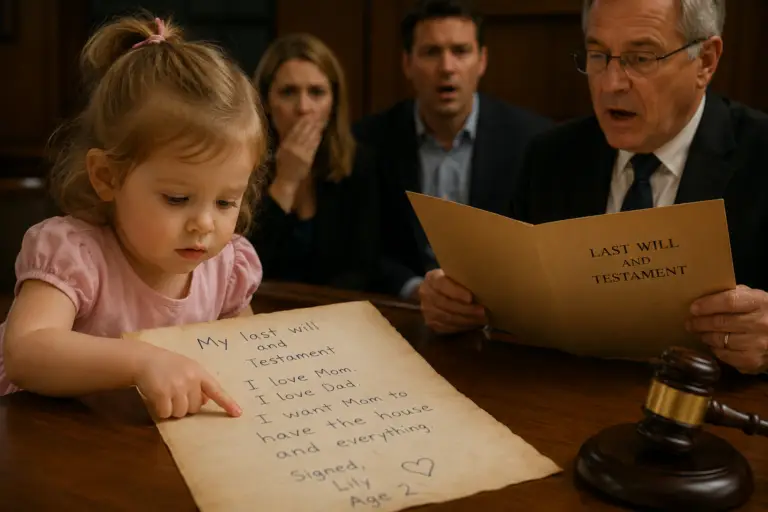
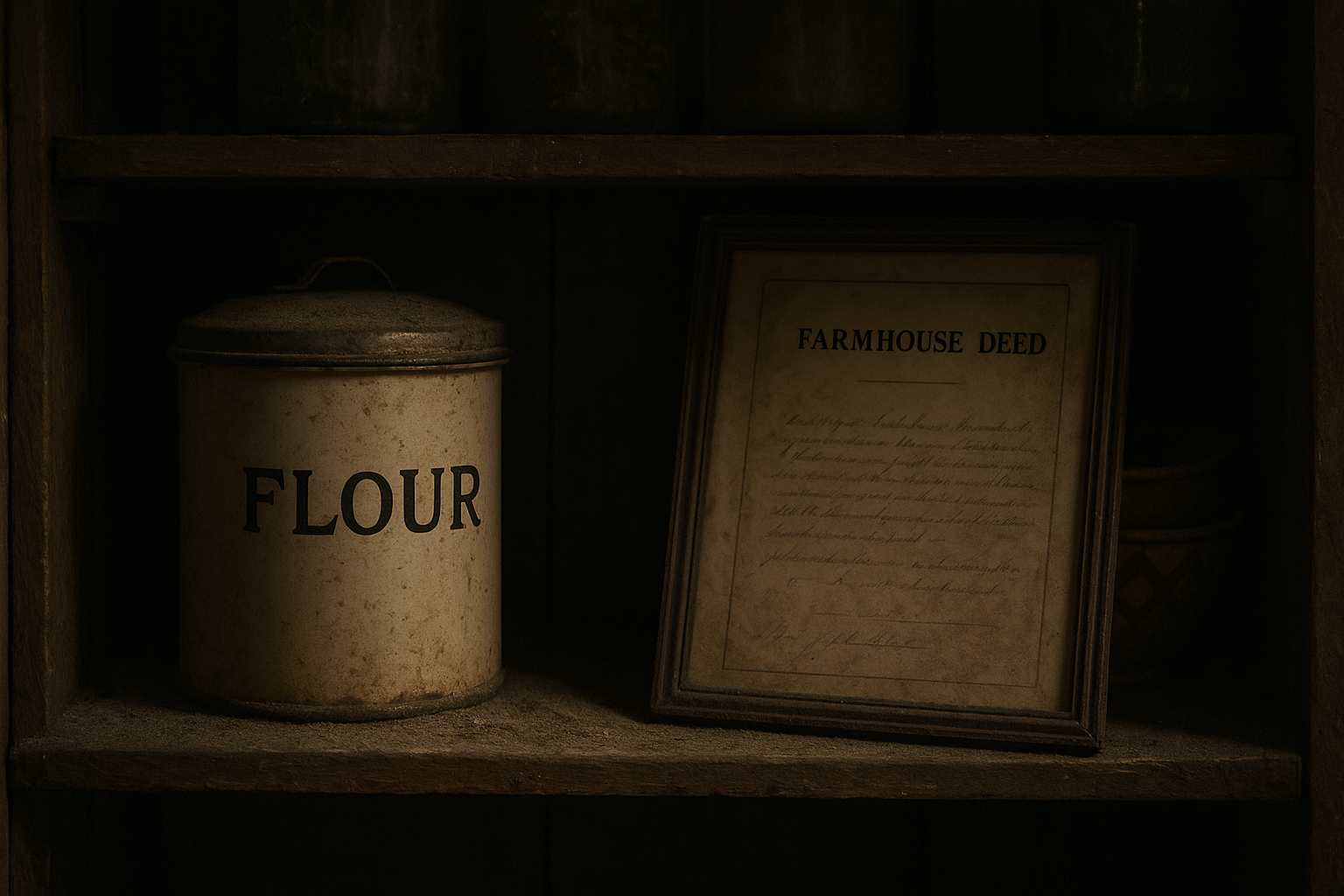
Pantry deed story starts with Connie standing close to inheritance, while others looks only at what the family might gain.
At first, nobody called the conflict betrayal. The family used softer words, because softer words made the silence easier to carry. However, Connie understood that care and ownership do not always sit on the same side of the table.
Meanwhile, others watched inheritance as a prize. Every visit, every phone call, and every small act of care became part of a quiet record. Therefore, the truth did not need a loud entrance when the family finally gathered.
Why this pantry deed story begins with care
When the parent needed help, Connie came without turning duty into a speech. First came groceries, bills, warm meals, and patient rides to appointments. Then came longer nights, harder choices, and the kind of work that relatives often notice only after it stops.
Because of that, neighbors knew who carried the real weight. They saw Connie arrive early and leave late. They also saw others appear when papers, property, or money came into the conversation.
Still, Connie did not count favors in public. Instead, the record lived in receipts, notes, keys, and memories. In fact, every small detail made the final truth harder for anyone to deny.
The family conflict grew slowly
Later, the family began to speak about fairness as if fairness only meant equal shares. However, equal words can hide unequal lives. Connie had spent years showing up, while others measured the future by what could be sold.
At the same time, the house held more than furniture and old photographs. It held proof of effort. It held every day when someone needed help and only one person answered.
Then the pressure increased. Relatives asked for signatures, plans, and quick decisions. Yet Connie stayed calm, because panic would only help the people who wanted the truth rushed out of the room.
The hidden truth changed the room
Finally, the hidden deed brought the missing piece into the open. The room changed, not because anyone shouted, but because everyone recognized the meaning at once. As a result, the story moved from argument to evidence.
For that reason, others could no longer control the version of events. The proof showed who visited, who paid attention, and who cared when no reward looked certain. Moreover, it showed why Connie had stayed quiet for so long.
Afterward, the family saw inheritance differently. It no longer looked like a simple inheritance. Instead, it became a mirror, and each person had to face what they had done when love required effort.
He Changed the Locks Before the Family Deed Was Read
What this pantry deed story reveals about loyalty
In the end, loyalty did not need a dramatic speech. It showed itself through habits. It showed itself through visits, medicine, bills, meals, and the simple courage to stay when staying cost something.
However, greed often arrives with polite language. It talks about rights, tradition, and family names. So the final lesson lands harder: blood can explain a relationship, but daily care proves one.
This pantry deed story also reminds readers that quiet people are not weak. They may simply wait until the facts can speak better than anger. When the facts arrived, Connie did not need revenge; the truth did the work.
The final lesson in this pantry deed story
Before the family left, the room felt smaller. Nobody could pretend the past had been equal. More importantly, nobody could pretend that care had no value.
Therefore, the ending did not feel like a victory over relatives. It felt like a correction. The person who gave time, patience, and love finally stood inside the truth everyone else tried to avoid.
Related reading
Read more emotional stories: The Old Neighbor Everyone Ignored Brought a Notebook to the Will Reading, They Called Their Mother’s Bank Account Empty But One Hidden Account Had a Name on It and Mother’s Diary Named Every Child Who Visited And Every Child Who Lied.