Room 1046

On January 2, 1935, a young man entered the Hotel President in downtown Kansas City and asked for an interior room several floors above the street.
He carried almost nothing.
No suitcase.
No trunk.
Only a comb, a hairbrush and toothpaste.
He gave the hotel clerk a name.
Roland T. Owen.
Two days later, hotel employees would open the door to Room 1046 and find him barely alive.
He had been beaten.
Stabbed.
Bound.
Blood covered parts of the room.
Yet when investigators asked who had hurt him, his answer only deepened the mystery.
And Roland T. Owen was not even his real name.
Who entered Room 1046, why did the victim refuse to identify his attacker, and who continued contacting his family after he was already dead?
• • •
The Room 1046 Mystery Began With a False Name
The young man arrived at the Hotel President in the early afternoon of January 2.
He said he was Roland T. Owen from Los Angeles.
He asked for an interior room rather than one facing the street.
A bellboy took him to Room 1046 on the tenth floor.
The hotel employee noticed something unusual immediately.
Owen had no luggage.
He removed only a few grooming items from his coat.
Then he left the hotel.
Later, maid Mary Soptic entered the room to clean.
The shades were drawn.
The room was dark except for a dim light.
Owen appeared nervous.
He asked her to leave the door unlocked because he was expecting someone.
When she returned later, she found him sitting in the dark.
On the desk was a short note addressed to someone named Don.
It told Don to wait because Owen would return shortly.
That name would become one of the most persistent clues in the case.

• • •
Someone May Have Locked Him Inside
The next morning, Soptic returned to Room 1046.
The door was locked.
But Owen was inside.
According to her later statement, the way the hotel’s locks worked suggested that someone may have locked the room from the outside.
Owen was again sitting in darkness.
While the maid cleaned, the telephone rang.
She heard him speaking to someone he called Don.
Later that afternoon she returned with towels.
This time, she heard two men talking inside.
A different male voice answered her through the door and told her that towels were not needed.
She left.
Other guests later remembered noise and arguments in the area.
But exactly who entered Room 1046 remains uncertain.
There was no guest list identifying Don.
No confirmed photograph.
No person investigators could definitively place inside the room at the critical time.
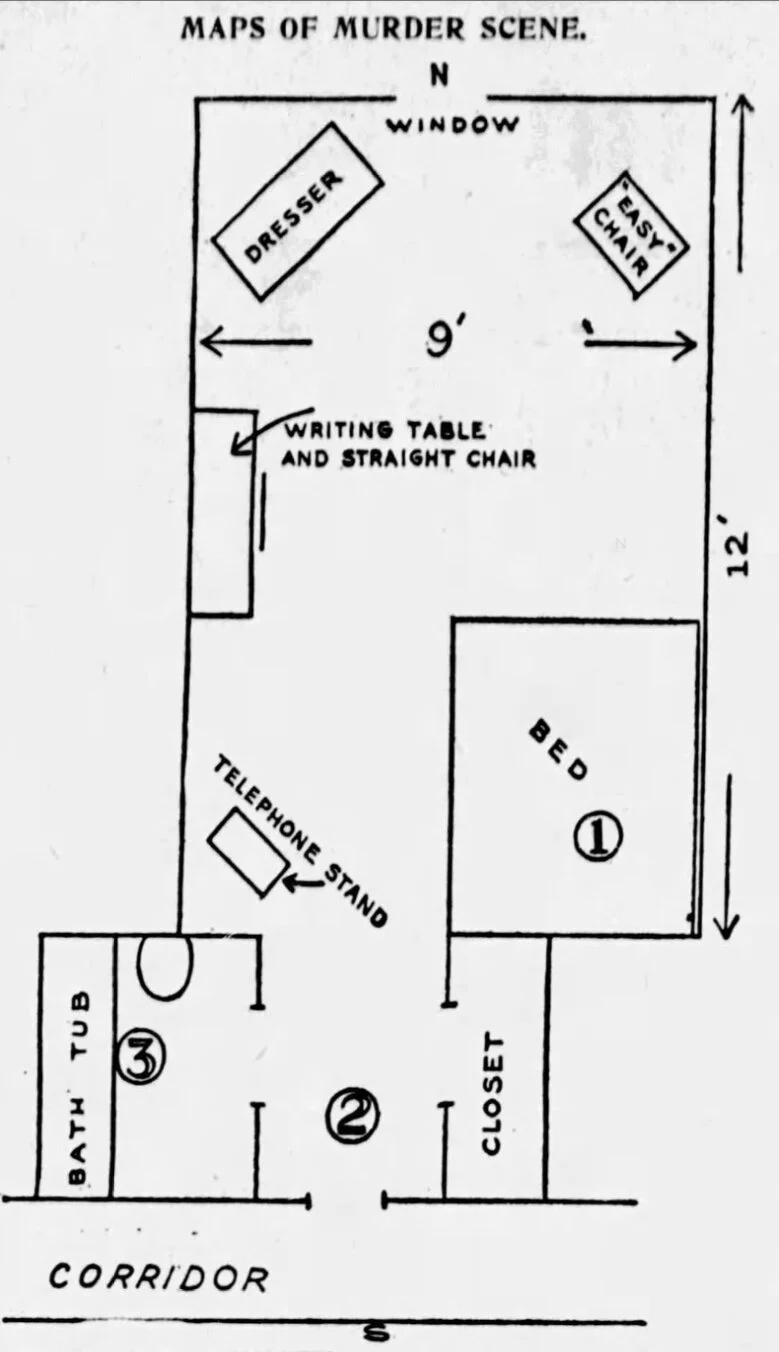
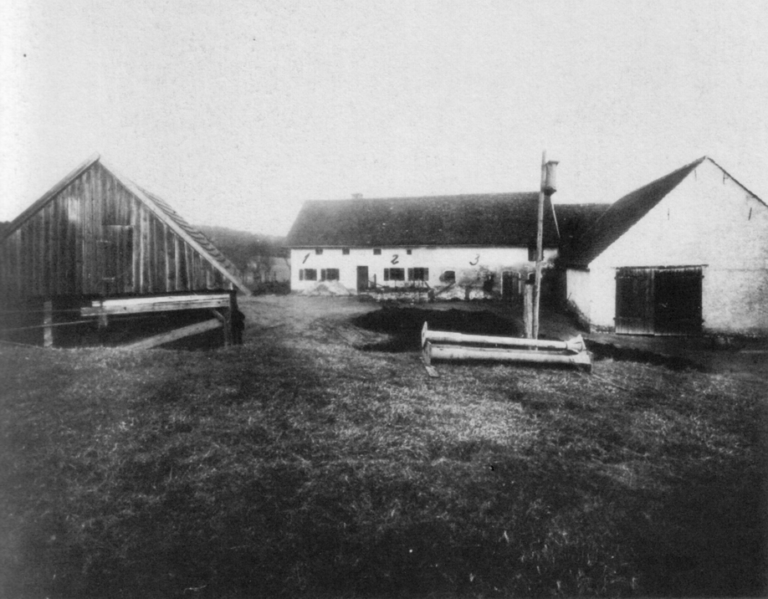
Real historical case image. Republication rights are not clearly stated on the source page.
• • •
The Telephone Would Not Stay on the Hook
During the early hours of January 4, the hotel switchboard began noticing something strange.
The telephone in Room 1046 was off the hook.
A bellboy went upstairs.
There was a “Do Not Disturb” sign on the door.
He knocked.
A deep male voice responded from inside.
But the door did not open.
The bellboy told the person inside to replace the receiver.
Later, the telephone was still off the hook.
Another bellboy was sent upstairs.
This time he used a master key.
Inside the dark room, he saw the guest lying naked on the bed.
There appeared to be a dark stain on the sheets.
Believing the man was drunk, the bellboy replaced the telephone receiver and left.
A few hours later, the telephone was off the hook again.
At approximately 11 a.m., another employee returned to Room 1046.
What he saw was completely different.
The young man was near the door.
Blood was visible on his head.
There was blood in the bedroom.
Blood in the bathroom.
And evidence of a violent attack.
• • •
He Was Still Alive
Police and a doctor were called.
The victim had suffered severe injuries.
His skull had been fractured by repeated blows.
He had stab wounds in his chest.
His wrists had been cut.
A cord had been tied around parts of his body, including his neck.
He had apparently been attacked hours earlier.
Yet he was still alive.
Investigators tried to question him.
They wanted the obvious answer.
Who did this?
According to surviving accounts, the young man denied that another person was responsible.
He suggested he had fallen against the bathtub.
His injuries made that explanation impossible to reconcile with the scene.
He soon lost consciousness.
He died at the hospital shortly afterward.
The victim had been able to speak.
But he had not given police the name of his attacker.
• • •
Almost Everything He Brought Had Disappeared
When detectives examined Room 1046, they noticed another problem.
The victim’s clothing and belongings were largely gone.
The overcoat he had worn into the hotel was missing.
His shoes were missing.
His hat was missing.
There was no identification that could tell police who Roland T. Owen actually was.
Among the few objects described in the case file were a torn necktie label, a hairpin, an unsmoked cigarette and a drinking glass carrying fingerprints believed at the time to have come from a woman.
Fingerprints were also recovered from the telephone.
None gave investigators the identity of the killer.
Police searched for Roland T. Owen.
They discovered there was no matching person at the Los Angeles address he had supplied.
The name was false.
Now police had two mysteries instead of one.
Who killed him?
And who was he?
• • •
Police Published His Face
Investigators circulated descriptions and photographs.
One of the most recognizable features was an unusual scar on the victim’s head.
Police hoped somebody would recognize it.
For months, no one did.
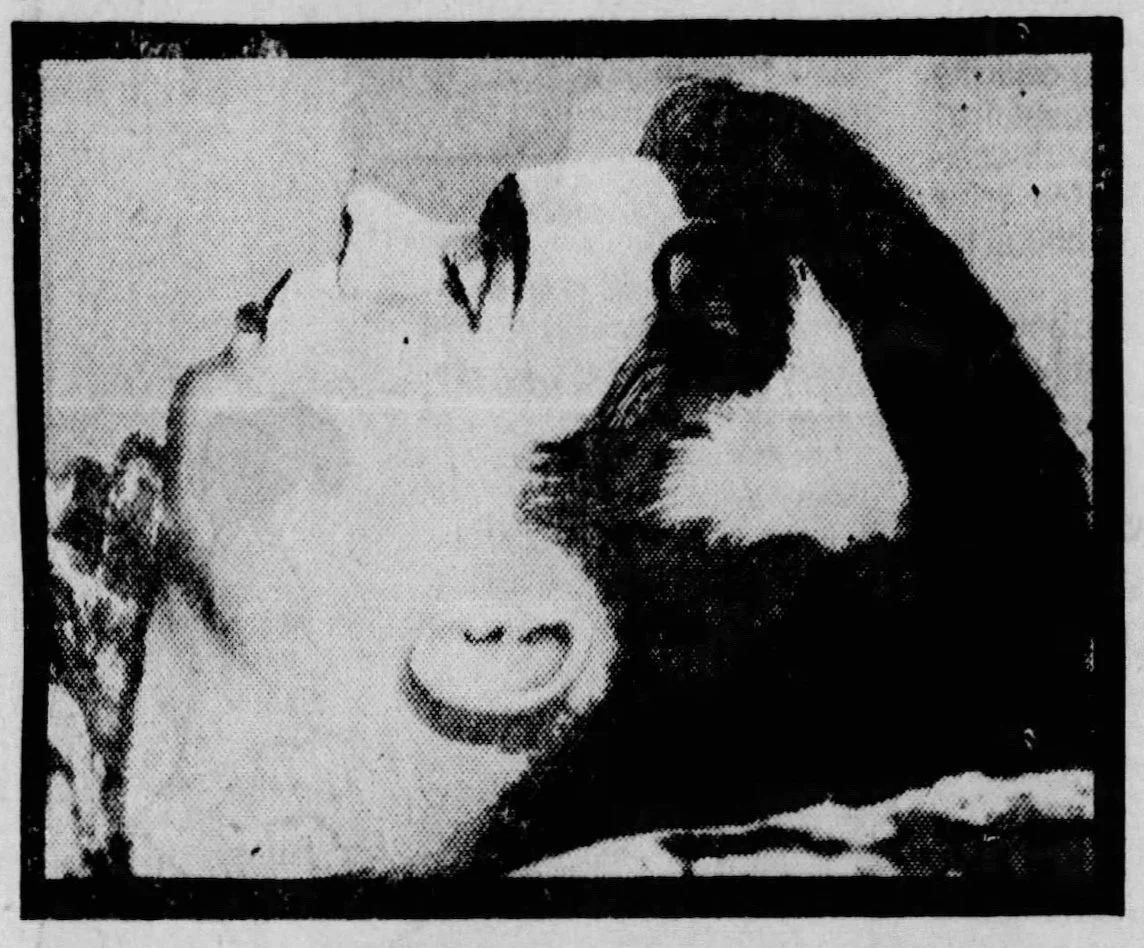
Real historical case image. Republication rights are not clearly stated on the source page.
His body remained unidentified.
Then police announced that the unknown victim might be buried in a pauper’s grave.
That announcement produced one of the strangest developments in the entire case.
An anonymous man contacted the funeral home.
He offered to pay for a proper burial.
According to the police material later reviewed by Kansas City Magazine, the caller said that Owen had not “played the game fair” and that cheaters received what was coming to them.
Money arrived.
At the funeral, thirteen American Beauty roses were delivered.
The card carried a message signed with the name Louise.
Who paid for the funeral?
Who was Louise?
Neither identity was conclusively established.
• • •
Then His Mother Saw the Photograph
The mystery of the victim’s identity lasted far longer than the investigation expected.
Eventually, publicity surrounding the case reached Birmingham, Alabama.
A family friend saw a published story about the unidentified man.
She showed it to Ruby Ogletree.
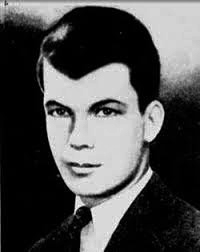
Ruby recognized the face.
The man known in Kansas City as Roland T. Owen was her son.
Artemus Ogletree.
He had left home in 1934 to travel across the country.
He had eventually reached California before making his way back east.
His mother had not known he was dead.
And that created another disturbing problem.
Because after Artemus had already died in Kansas City, his family continued receiving messages supposedly connected to him.
• • •
Someone Wrote to His Mother After His Death
Ruby Ogletree told investigators that letters had arrived after her son’s death.
They were typed.
That immediately bothered her.
Artemus normally wrote his letters by hand.
His mother did not believe he knew how to type.
The letters claimed that he was traveling.
One suggested New York.
Another said he was leaving for Europe.
Later, a man contacted Ruby by telephone.
He claimed to know Artemus.
He described adventures supposedly involving her son overseas.
But by that point Artemus had been dead for months.
Kansas City Magazine’s 2026 examination of the police file found both Artemus’s genuine handwritten correspondence and typed letters sent after his death.
The difference between them was striking.
Someone appeared to have been trying to convince the Ogletree family that Artemus was alive.
Why?
To delay a missing-person report?
To keep his family from connecting him to Kansas City?
To protect someone involved in his death?
The evidence does not provide a definitive answer.
• • •
Who Was Don?
The name Don followed investigators through the case.
Witnesses remembered Artemus speaking to someone by that name.
A note in Room 1046 was addressed to Don.
Police later learned that during other hotel stays, Artemus had been seen with a man who registered under the name Don Kelso.
Years later, investigators became interested in a criminal named Joseph Ogden, who had used numerous aliases, including Donald Kelso.
For a time, the connection appeared promising.
But an FBI handwriting examination later concluded that the Hotel President signature attributed to Donald Kelso had not been written by Ogden.
The apparent solution collapsed.
No one was charged with Artemus Ogletree’s murder.
• • •
Room 1046 Mystery: Reality Check
Verified: A young man checked into the Hotel President on January 2, 1935, using the name Roland T. Owen.
Verified: He stayed in Room 1046 and carried almost no luggage.
Verified: Hotel employees described him repeatedly sitting in the room with the shades drawn and lights low.
Verified: A note addressed to someone named Don was reported in the room.
Verified: He was found critically injured after being beaten, stabbed and bound.
Verified: He died from his injuries.
Verified: Roland T. Owen was an alias.
Verified: He was eventually identified as Artemus Ogletree of Alabama.
Verified: His family received communications after he had already died.
Verified: An anonymous person paid for his burial after police planned to bury him as an unidentified man.
Not established: The identity of “Don.”
Not established: The identity of the person who paid for the funeral or sent the roses.
Still unresolved: Who murdered Artemus Ogletree and why.
The Door Closed, and the Answer Stayed Inside
The Room 1046 mystery survives because almost every part of the case produced another unanswered question.
A false name.
A darkened hotel room.
A note to Don.
A door that appeared to have been locked from outside.
Unknown voices.
A telephone repeatedly left off the hook.
A violent attack.
A dying victim who would not name his attacker.
Missing belongings.
An anonymous burial payment.
Roses from Louise.
And letters sent to his family after he was already dead.
Police eventually discovered who Roland T. Owen really was.
But learning his name did not solve the mystery.
It only revealed how much someone may have done to keep his family from learning the truth.
More than ninety years later, the most important question remains unanswered.
Who walked out of Room 1046?
• • •
Which Clue Would You Follow?
The name Don. The locked door. The fingerprints. The posthumous letters. Or the anonymous funeral payment.
Which clue do you think could still reveal who killed Artemus Ogletree?
More Mysteries From The Second Envelope
Follow The Second Envelope
Real cases. Real evidence. Questions that still have no answer.
Sources and Image Credits
Kansas City Magazine — Inside the “Owen Case” File
Solve the Case — Artemus Ogletree Open Homicide Case
A&E — The Case of Room 1046 Remains Unsolved
Murder, She Told — Room 1046 historical image and newspaper collection
Wikimedia Commons — Artemus Ogletree photograph
Wikimedia Commons — Hotel President photograph